
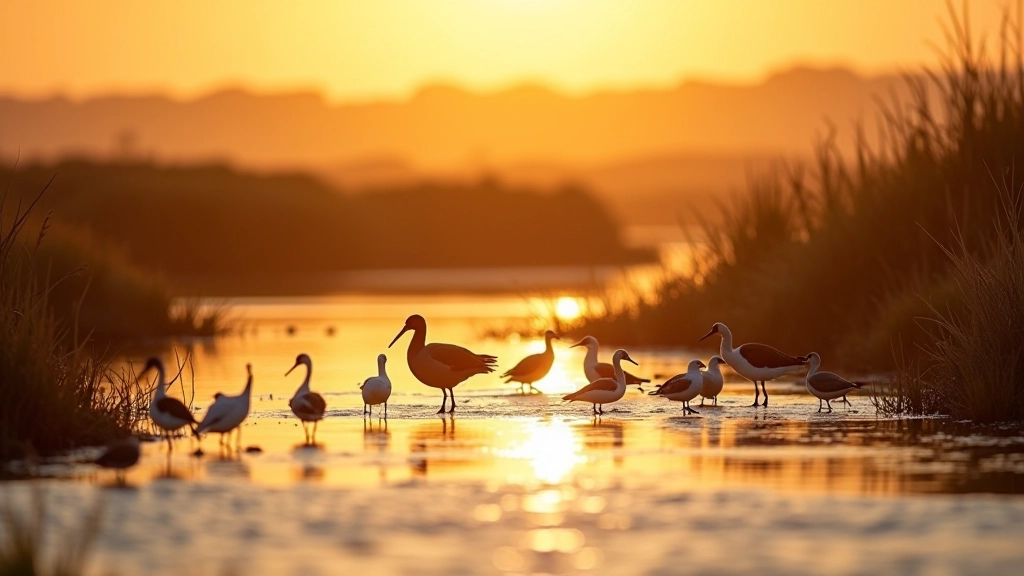
Lough Boora's wetlands come alive with wildlife year-round. Whether you're here for the first time or you've visited dozens of times, there's always something new to spot — from rare migratory birds to dragonflies dancing above the water. We'll walk you through what you'll see in each season, where to position yourself for the best views, and how to photograph without disturbing the animals that call this place home.
Spring Arrivals & Breeding Season
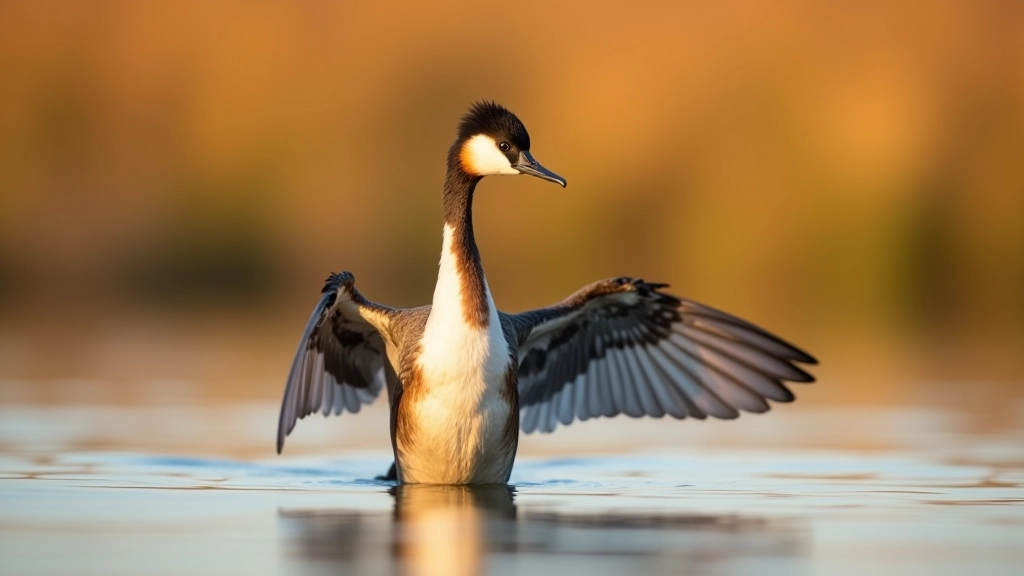
Spring transforms the boardwalk into a symphony of activity. Warblers return from Africa in April, their calls filling the air before you even spot them. Great Crested Grebes perform elaborate courtship dances on the open water — synchronized swimming that's genuinely remarkable to witness. You'll see them around mid-April through May.
The shallow margins become nurseries. Frogs are spawning in early April, and you'll find dragonfly nymphs emerging from the water. Snipe perform their territorial "drumming" display — they dive with tail feathers spread, creating a mechanical bleating sound that echoes across the wetland. It's an odd, unforgettable sound once you know what you're hearing.
Best viewing times: Early morning (6-8am) and late afternoon (5-7pm). Bring binoculars — many birds stay distant during breeding season, protective of nesting sites. Patient observation pays off here. Stay on the boardwalk to avoid disturbing nests hidden in the reeds.
Summer: Insects & Breeding Birds
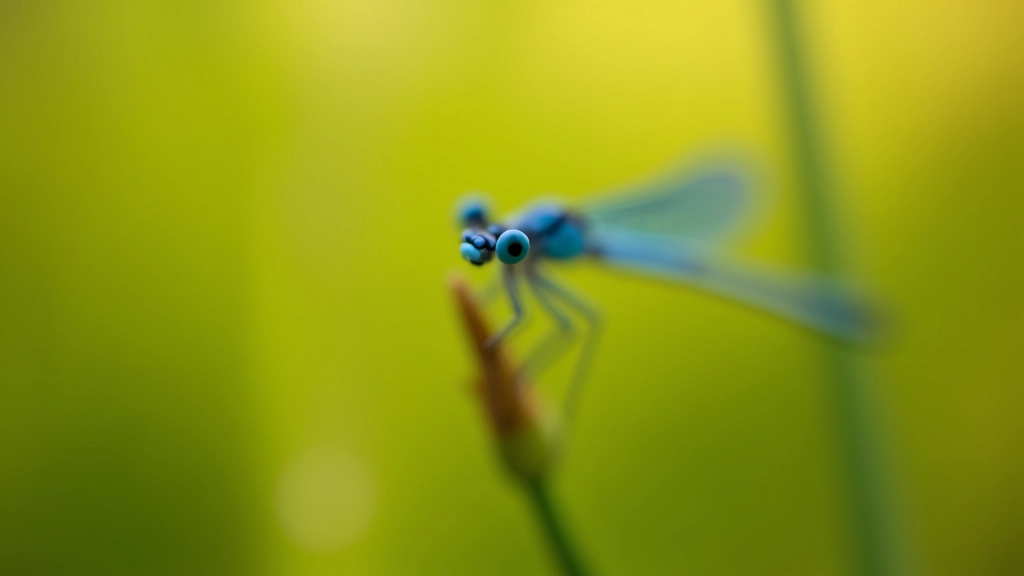
June through August, the boardwalk buzzes with insect life. It's genuinely impressive — dragonflies in blues, reds, and greens skim the water surface hunting smaller insects. Damselflies perch on every stem and leaf. There's at least 12 different dragonfly species here, though spotting them all takes patience and a good eye.
Birds are quieter in summer because they're feeding chicks rather than defending territory. But you'll spot families — Mallard ducklings trailing their mothers, Coot chicks being shepherded through the water. Terns dive aggressively into the water hunting fish. Sedge Warblers chatter from deep in the reeds — difficult to see but unmistakable once you recognize the song.
The vegetation is thick now, which actually makes observation harder than spring. But it's brilliant for insect photography. The water is warmest in August, bringing out amphibian activity in early evening. Grass snakes are occasionally spotted hunting frogs around the margins.
Autumn Migration: Peak Bird Watching
September and October are genuinely the best months for bird watching here. Warblers heading south stop to refuel. Swallows and martins gather in huge flocks before crossing the Mediterranean. You'll see species that don't breed here — Wheatears, Redstarts, Pied Flycatchers. Rarer visitors occasionally appear: Hoopoes, Woodchat Shrikes, and in exceptional years, even Eastern rarities blown off course.
Autumn Viewing Strategy
Migrants move through quickly, often in the first few hours after sunrise. Be on the boardwalk by 7am. Scan the reed tops and low scrub where birds feed. Early September focuses on warblers; late September and October bring raptors and thrushes. Don't ignore "common" species — autumn Robins and Wrens can be particularly bold.
The water level typically drops in autumn, exposing mudflats where waders feed. Dunlin, Ruff, and Greenshank probe the shallow edges. It's a brief window — usually late August through September — but it attracts species you won't see in other seasons. The landscape changes weekly as vegetation dies back, opening new sight lines and revealing corners you couldn't access in summer.
Winter: Waterbirds & Quiet Observation
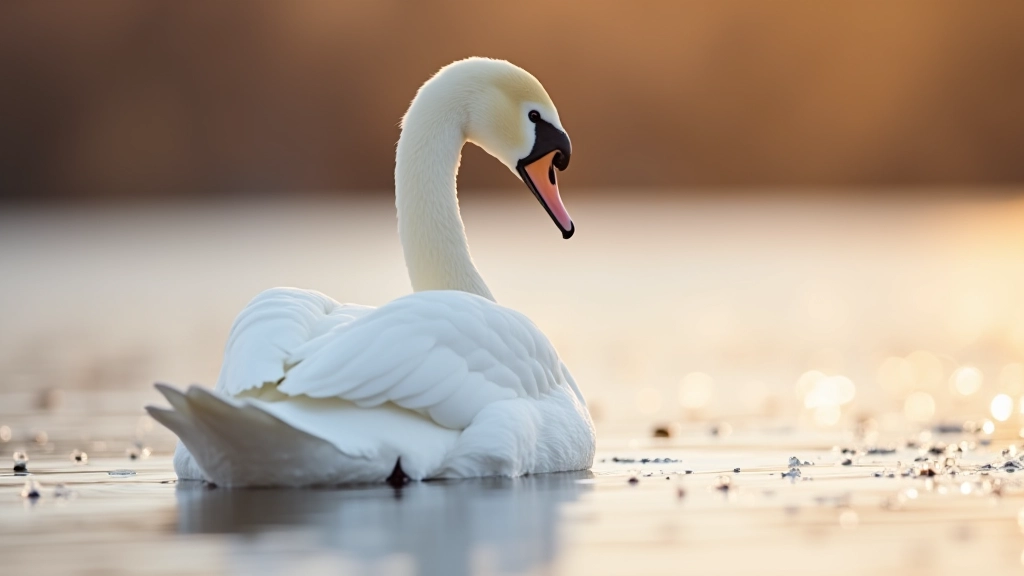
Winter isn't quiet at Lough Boora — it's simply different. The breeding birds have gone, but visitors arrive. Whooper Swans from Iceland. Pochard and Tufted Duck that spend the cold months here. Cormorants that've moved inland from the coast. Flocks of Lapwing and Golden Plover use the open water as a resting spot during the day, feeding in nearby fields at dusk.
Water is clear when it's cold, making observation easier than summer. You'll see more birds overall, even if there's less variety. Goldeneye, Shoveler, and occasionally Pintail dabble in the shallows. Great White Egrets have become regular winter visitors over the last decade — stunning birds, often solitary, that seem to glow against the grey sky.
Bring warm layers and go midday rather than dawn. Winter birds are less active in cold mornings. Midday sun reflects off water better, improving visibility. Late afternoon is worth trying too — birds settle for the evening, and the low light creates dramatic photography conditions. Don't underestimate winter's visual drama.
Photography Tips Without Disturbance
Photographing wildlife here is rewarding, but responsibility matters. Move slowly. Stop frequently. Let birds come to you rather than approaching them. If a bird starts moving away or becoming agitated, you're too close — back up immediately.
Stay Low & Still
Birds perceive height as threat. Crouching or sitting makes you less intimidating. The boardwalk's railings are perfect — lean against them and let birds adjust to your presence. Patience yields better photos than stalking.
Use Natural Cover
Position yourself against vegetation or the sun's glare. Avoid silhouetting yourself against the sky where birds spot you immediately. The hides along the boardwalk exist for exactly this reason — use them.
Avoid Peak Hours
Weekday mornings are quieter than weekends. You'll have better access to hides and less disturbance from other visitors. Early season (spring) and shoulder seasons (autumn) mean fewer crowds than summer holidays.
Respect Nesting Areas
Sections are occasionally closed during breeding season to protect ground-nesting birds. These closures aren't inconveniences — they're essential. Follow signage. Disturbing nests can cause birds to abandon eggs or chicks.
Binoculars matter more than cameras. You'll see far more with decent 8x42 binoculars than with any camera system. Smartphones work surprisingly well for distant birds if you hold steady. A basic point-and-shoot is better than carrying heavy gear that tires you out. The best camera is the one you'll actually bring.
Making Your Visit Count
Wildlife watching isn't about ticking boxes. It's about spending time in a place, learning its rhythms, and noticing what shows up. You'll miss things your first visit. You'll spot something remarkable on your tenth. That's the appeal of somewhere like Lough Boora — it's genuinely different depending on when you arrive and how long you sit still.
Bring a notebook. Write down what you see. Over time you'll notice patterns — certain birds always appear in specific spots, specific weeks. You'll develop favorite viewpoints. You'll start recognizing individual birds, understanding their behaviors. That's when a simple boardwalk walk becomes a genuine practice, a way of being present in a living landscape.
Important Information
This guide provides educational information about wildlife and habitats at Lough Boora. Observations and sighting frequencies are based on seasonal patterns and historical data. Individual visits may vary significantly. Weather, water levels, and human activity affect wildlife presence and visibility. Always follow site signage, respect any area closures, and observe from designated areas only. Wildlife welfare takes priority over photography or viewing. If you're unsure about species identification or bird behavior, consult local naturalist groups or the site's visitor information center.